The Evolution of Edge Computing: Redefining Data Processing in the AI Era
Introduction
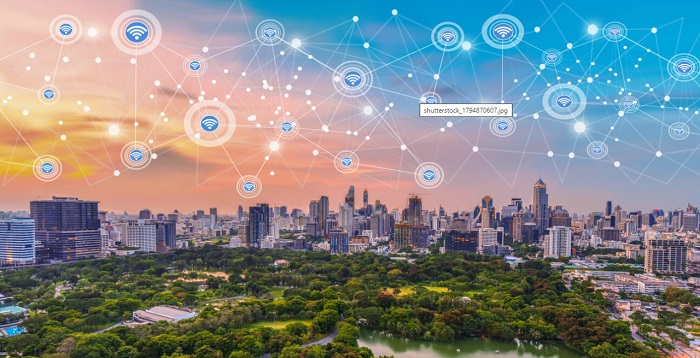
The rapid proliferation of connected devices—from autonomous vehicles to smart factories—has transformed how data is generated, processed, and utilized. As enterprises deepen their reliance on the Internet of Things (IoT) and Artificial Intelligence (AI), the traditional cloud computing model is showing limitations in handling the scale and speed of modern data. This evolution has given rise to Edge Computing, a distributed approach that brings computation and data storage closer to the data source.
Edge computing has emerged as a critical enabler for real-time analytics, 5G innovation, and AI-driven automation. This article explores how edge computing is revolutionizing data processing, its technological foundations, its impact across industries, and the trends shaping its future.
Understanding Edge Computing
Edge computing is a decentralized computing framework where data is processed locally—on or near the device that generates it—rather than being sent to centralized cloud servers. This proximity reduces latency, enhances reliability, and improves efficiency in data transmission.
Traditional cloud systems, while powerful, struggle with bandwidth limitations and latency issues. Edge computing addresses these challenges by processing data where it is produced, enabling immediate insights and actions. This makes it ideal for applications requiring near-instant responsiveness, such as autonomous systems, healthcare monitoring, and industrial robotics.
How Edge Computing Differs from Cloud Computing
While both edge and cloud computing serve the purpose of data processing, their architectural philosophy and operational impact differ significantly:
-
Data Location: Cloud computing centralizes data in massive data centers, while edge computing processes data locally or regionally.
-
Latency: Cloud operations depend on internet connectivity, which introduces latency. Edge computing minimizes this by operating near the data source.
-
Bandwidth Efficiency: With edge, only essential data is sent to the cloud, significantly reducing bandwidth usage.
-
Security: Localized data handling in edge environments enhances privacy and reduces exposure to cyber threats.
These distinctions make edge computing not a replacement for the cloud, but a complementary paradigm—one that optimizes performance and resource usage in distributed systems.
Core Technologies Powering Edge Computing
1. Edge AI and Machine Learning
AI models deployed on edge devices enable intelligent data processing without relying on centralized servers. This allows for real-time inference and decision-making in environments where connectivity may be intermittent or limited. For example, smart cameras in retail can identify customer behaviors and trigger localized alerts instantly.
2. 5G Connectivity
The rollout of 5G networks has accelerated the adoption of edge computing by providing ultra-low latency and high data throughput. 5G allows for dynamic distribution of workloads across edge nodes and central servers, enhancing the efficiency of distributed applications such as AR/VR streaming and autonomous fleets.
3. Micro Data Centers
Micro or modular data centers act as localized edge hubs, offering powerful computing capacity close to the end-user. These centers support industrial IoT, healthcare, and urban infrastructure projects by enabling high-speed data processing in constrained environments.
4. Containerization and Virtualization
Technologies like Docker and Kubernetes facilitate edge computing by enabling scalable, lightweight deployment of services across distributed nodes. These tools help developers orchestrate complex edge environments seamlessly, ensuring performance and consistency.
Key Advantages of Edge Computing
1. Real-Time Data Processing
Edge computing allows instantaneous analysis and action, a critical feature for sectors like autonomous transport, manufacturing, and finance. When a millisecond delay can mean the difference between success and failure, local processing becomes indispensable.
2. Reduced Operational Costs
By minimizing the volume of data transmitted to cloud servers, organizations can significantly lower bandwidth and storage costs. Moreover, reduced dependency on centralized infrastructure can optimize energy use and resource allocation.
3. Improved Reliability
Local data processing ensures that even if network connectivity fails, operations continue without disruption. This is particularly beneficial for remote industrial facilities and mission-critical systems where uptime is non-negotiable.
4. Enhanced Data Sovereignty
Edge computing supports compliance with regional data protection regulations, such as GDPR, by keeping sensitive information within defined geographical boundaries. This ensures organizations maintain control over where and how their data is processed.
Real-World Applications of Edge Computing
1. Industrial Automation
Manufacturing plants leverage edge computing for predictive maintenance, robotics coordination, and process optimization. Sensors and IoT devices feed data to local edge servers that analyze patterns and predict machine failures before they occur.
2. Smart Cities
Smart traffic systems, waste management, and energy grids rely on edge processing to function efficiently. For instance, traffic lights equipped with edge AI can adapt dynamically to changing traffic conditions, reducing congestion and emissions.
3. Healthcare and Telemedicine
In medical environments, real-time patient monitoring is critical. Edge-enabled devices can process biometric data locally, alerting medical staff to anomalies immediately, even when cloud connectivity is unstable.
4. Retail and Customer Experience
Retailers are adopting edge solutions for inventory management, personalized marketing, and in-store analytics. Smart shelves and cameras analyze customer interactions on-site, enabling tailored experiences without relying solely on cloud analytics.
5. Autonomous Vehicles
Edge computing is a cornerstone of autonomous mobility. Vehicles generate vast amounts of sensory data that must be processed instantly for navigation and safety. Edge nodes integrated into vehicles and roadside infrastructure enable split-second decision-making.
Challenges in Adopting Edge Computing
While the potential is vast, organizations face several hurdles when implementing edge solutions:
-
Infrastructure Costs: Deploying distributed edge nodes requires significant capital investment.
-
Security Complexity: A wider network perimeter increases potential vulnerabilities if not managed properly.
-
Integration with Legacy Systems: Many enterprises must retrofit existing infrastructure to support edge capabilities.
-
Data Management: Handling vast, decentralized data sets requires sophisticated data governance and synchronization strategies.
Overcoming these challenges demands a strategic blend of technology, policy, and operational planning, often supported by hybrid architectures that combine edge, cloud, and on-premise systems.
The Future of Edge Computing
The future of edge computing lies in autonomous orchestration and AI-driven optimization. As machine learning models become more lightweight and efficient, we can expect broader deployment across edge networks. Emerging trends such as Edge-as-a-Service (EaaS), federated learning, and quantum-enhanced edge systems are already reshaping enterprise computing strategies.
Moreover, the convergence of 5G, IoT, and AI will make edge computing the default model for digital ecosystems that prioritize speed, intelligence, and decentralization. Enterprises that embrace edge innovation today are not just optimizing performance—they are future-proofing their technological foundation.
Conclusion
Edge computing represents the next evolution in digital infrastructure. It bridges the gap between centralized cloud power and localized intelligence, enabling a world where data is processed faster, smarter, and closer to where it matters most. As industries continue to embrace real-time analytics, automation, and IoT expansion, edge computing will stand at the forefront of this transformation—driving efficiency, security, and innovation across every domain.
Frequently Asked Questions (FAQs)
1. Is edge computing replacing cloud computing?
No. Edge computing complements cloud systems by handling time-sensitive data locally while the cloud manages storage, analytics, and large-scale computation.
2. What industries benefit most from edge computing?
Industries like manufacturing, healthcare, telecommunications, transportation, and retail see the greatest advantages due to their reliance on real-time decision-making.
3. How does edge computing improve AI performance?
Edge computing enables on-device AI inference, reducing the delay caused by sending data to remote servers and providing faster, more context-aware insights.
4. What role does 5G play in edge computing?
5G enhances edge computing by providing high-speed, low-latency connectivity, allowing seamless interaction between devices, sensors, and edge nodes.
5. What are the main security concerns with edge computing?
Decentralization increases the number of endpoints, making them potential attack targets. Ensuring strong endpoint security, encryption, and network monitoring is critical.
6. How does edge computing impact data privacy?
It enhances privacy by keeping sensitive information closer to the source and minimizing data transmission to the cloud, aligning with privacy regulations like GDPR.
7. What future trends will define edge computing in the next decade?
Expect growth in AI-driven edge orchestration, federated learning, and decentralized cloud ecosystems, all designed to deliver faster, more adaptive computing solutions.