
The Future of Fitness Technology Inside a Fitness Gym Singapore Environment
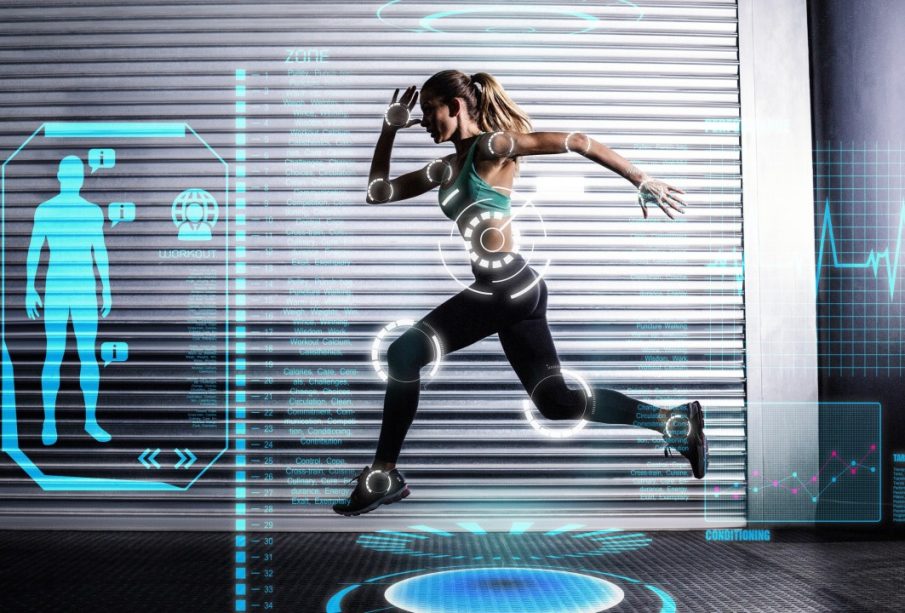
Technology has quietly reshaped how people train, recover, and track progress. What once relied on intuition and guesswork is now supported by data, feedback, and personalised insights. In Singapore, where efficiency, innovation, and performance are deeply valued, fitness technology has become a natural extension of the gym experience. Inside a modern fitness gym singapore, technology is no longer about novelty. It is about helping members train smarter, recover better, and stay consistent over the long term.
Fitness technology does not replace effort or discipline. It enhances them by providing clarity. When used correctly, it helps people understand how their bodies respond to training, how recovery affects performance, and how small adjustments can lead to meaningful improvements.
How Fitness Technology Has Evolved Beyond Basic Tracking
Early fitness technology focused mainly on step counts and calorie estimates. While useful, these tools offered limited insight into training quality or recovery needs. Today, technology inside gyms supports deeper understanding of performance and health.
Modern fitness technology now focuses on:
-
Movement quality and efficiency
-
Heart rate variability and recovery status
-
Strength progression and load management
-
Sleep quality and stress indicators
-
Personalised training recommendations
This evolution allows gym members to move from generic routines to informed decision-making based on real data.
Wearable Devices and Their Role in Gym Training
Wearables have become one of the most common entry points into fitness technology. Smartwatches, heart rate straps, and fitness bands provide continuous feedback that helps members understand how their bodies respond to training.
Key benefits of wearables in a gym setting include:
-
Monitoring heart rate zones during cardio and HIIT
-
Tracking training volume and intensity
-
Identifying patterns of fatigue or under-recovery
-
Encouraging accountability through visible progress
When paired with structured gym training, wearables help members avoid common mistakes such as training too hard too often or underestimating recovery needs.
Heart Rate Data and Smarter Cardio Decisions
Cardio training often becomes ineffective when intensity is poorly managed. Some people push too hard every session, while others never reach a meaningful stimulus. Heart rate data helps solve this problem.
Using heart rate feedback allows members to:
-
Stay within appropriate intensity zones
-
Separate low-intensity recovery sessions from high-effort days
-
Improve cardiovascular fitness more efficiently
-
Reduce unnecessary fatigue
Inside a gym environment, access to varied cardio equipment makes it easier to apply heart rate-based training principles consistently.
Strength Training Meets Data-Driven Progression
Strength training has traditionally relied on subjective measures such as perceived effort or visible progress. Technology now supports more precise tracking of load, volume, and progression.
Data-supported strength training helps by:
-
Tracking weight, reps, and sets over time
-
Identifying plateaus before they become frustrating
-
Ensuring progressive overload without excessive strain
-
Supporting long-term strength planning
This approach is especially valuable for busy professionals who want efficient sessions without wasted effort.
Artificial Intelligence and Personalised Training Guidance
Artificial intelligence is beginning to influence how training plans are created and adjusted. AI-driven platforms analyse performance data, recovery patterns, and training history to suggest personalised adjustments.
Potential benefits include:
-
Training recommendations based on recovery status
-
Adjusted intensity when fatigue indicators rise
-
Long-term trend analysis for performance planning
-
Reduced risk of overtraining through smarter scheduling
While AI does not replace human judgment, it adds an extra layer of insight that helps individuals train with greater precision.
Virtual Coaching and Hybrid Training Models
The rise of hybrid work and flexible schedules has increased demand for training options that extend beyond physical gym visits. Virtual coaching and digital platforms allow members to stay connected to structured training even when routines change.
Benefits of virtual training integration include:
-
Continuity during travel or busy work periods
-
Access to guided workouts outside peak gym hours
-
Training support for home or hotel sessions
-
Increased consistency despite schedule disruptions
This flexibility supports long-term adherence, which remains the most important factor in fitness success.
Recovery Technology and Its Growing Importance
Training is only effective when recovery supports it. Recovery technology has become a key part of modern fitness environments, helping members understand when to push and when to pull back.
Common recovery-focused technologies include:
-
Heart rate variability tracking
-
Sleep monitoring through wearables
-
Mobility and muscle recovery tools
-
Digital feedback on training readiness
Understanding recovery signals helps members avoid chronic fatigue and reduce injury risk while maintaining progress.
Data Transparency and Member Motivation
One of the biggest advantages of fitness technology is transparency. Seeing progress in measurable terms builds motivation and confidence.
Data-driven motivation includes:
-
Visual evidence of strength gains
-
Improved cardiovascular metrics over time
-
Consistency streaks that reinforce habits
-
Reduced reliance on scale weight alone
This shift encourages people to focus on performance and health markers rather than short-term aesthetic changes.
Technology as a Tool for Injury Prevention
Injury prevention benefits significantly from data awareness. Technology helps identify patterns that often precede injuries, such as declining performance, elevated resting heart rate, or poor recovery trends.
Preventive insights include:
-
Early signs of overuse or fatigue
-
Imbalances in training volume
-
Inadequate recovery between sessions
-
Sudden spikes in workload
When members respond to these signals early, they reduce the likelihood of setbacks that interrupt consistency.
The Human Element in a Technology-Driven Gym
While technology provides valuable insight, it works best when combined with human awareness and judgment. Data must be interpreted, not followed blindly.
Balanced use of technology involves:
-
Using data as guidance, not rigid rules
-
Listening to physical cues alongside metrics
-
Adjusting plans based on lifestyle stress
-
Avoiding obsession over minor fluctuations
The goal is informed decision-making, not dependency on numbers.
How Fitness Technology Supports Busy Singapore Lifestyles
Singapore’s fast-paced environment demands efficiency. Fitness technology aligns well with this reality by helping members maximise results within limited time frames.
Efficiency benefits include:
-
Shorter but more effective workouts
-
Reduced trial-and-error in training choices
-
Clear feedback on what works and what does not
-
Better planning around work and family commitments
This makes consistent training more achievable even during demanding periods.
Privacy and Responsible Use of Fitness Data
As technology use grows, data privacy becomes an important consideration. Responsible gyms and platforms prioritise secure data handling and user control.
Key considerations include:
-
Transparency about data collection
-
Secure storage and access controls
-
Member ownership of personal data
-
Clear opt-in and opt-out options
Trust in technology is built when users feel confident about how their information is handled.
Integrating Technology Without Losing Simplicity
Not everyone needs every feature. The most effective approach is selective use of technology that supports individual goals without creating overwhelm.
A practical integration strategy includes:
-
Choosing one or two key metrics to track
-
Reviewing data weekly rather than obsessing daily
-
Adjusting training based on trends, not single readings
-
Keeping the focus on consistency and effort
Technology should simplify training, not complicate it.
Facilities like True Fitness Singapore reflect how modern gyms can support technology-enhanced training while maintaining a focus on real-world results, structured environments, and long-term habit formation.
FAQ: Fitness Technology and Modern Gym Training in Singapore
Do I need wearables to benefit from gym technology?
No. Wearables enhance awareness, but consistent training and recovery habits remain the foundation. Technology supports good habits, it does not replace them.
Can fitness technology help with fat loss?
Yes. Tracking intensity, recovery, and consistency helps optimise training and avoid common mistakes that stall fat loss.
Is AI-based training reliable?
AI tools are useful for guidance and trend analysis, but they work best when combined with human judgment and individual awareness.
How often should I check my fitness data?
Weekly reviews are usually sufficient. Daily fluctuations can be misleading and unnecessary for most people.
Can technology reduce injury risk?
Yes. Early warning signs such as fatigue trends and workload spikes help identify risks before injuries occur.
Is virtual training as effective as in-gym training?
Virtual training works well for maintaining consistency, but access to gym equipment and structured environments adds significant value.
Does tracking everything improve results?
Not always. Tracking too many metrics can create stress. Focus on a few meaningful indicators that align with your goals.