
How Wearable Technology is Transforming Vinyasa Yoga Practice
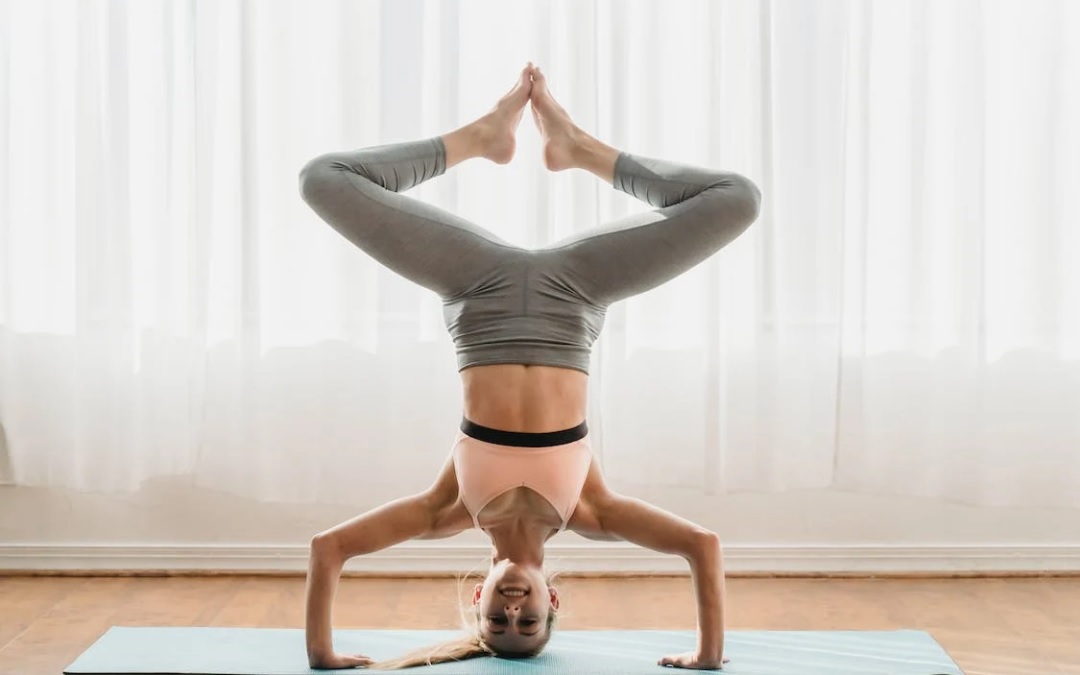
The relationship between yoga and technology may seem unusual at first glance. One is an ancient discipline built on breath and mindfulness, while the other represents modern innovation. Yet today, technology has become a supportive partner in helping practitioners refine their yoga experience. In particular, vinyasa yoga, known for its flowing sequences and emphasis on synchronised breathing, is evolving with the integration of wearable devices. From heart rate monitors to posture trackers, technology is offering valuable insights that deepen awareness, track progress, and enhance personal practice.
Why Wearables Matter in Yoga
Unlike traditional gym workouts, yoga is not measured by the number of reps or weights lifted. Instead, it is about quality of movement, balance, and the connection between body and mind. Wearable technology fills an important gap by making the invisible more visible. Through real-time data, practitioners can understand how their bodies respond to different flows, track their breathing patterns, and even measure recovery.
This data-driven approach does not replace the spiritual or mindful side of yoga. Rather, it supports practitioners in making informed choices, ensuring safe progression, and maintaining consistency.
Key Technologies Enhancing Vinyasa Yoga
Several types of wearables are now shaping the way people practise yoga. Each brings unique benefits that align with the flowing, breath-based nature of Vinyasa.
Heart Rate Monitors
Vinyasa often elevates the heart rate, offering cardiovascular benefits similar to light aerobic exercise. Heart rate monitors allow practitioners to observe how sequences influence intensity. By tracking peaks and averages, individuals can identify whether they are pushing too hard or staying within an optimal range for endurance and relaxation.
Breath Tracking Devices
Breath is the foundation of Vinyasa, yet many people underestimate how shallow or inconsistent their breathing becomes under physical strain. Wearables that measure respiratory rate highlight these patterns, encouraging deeper, steadier breathing. Over time, this supports stress reduction and improved lung capacity.
Posture Correction Sensors
Posture is central to safe yoga practice. Small sensors attached to the back or worn in smart clothing can detect misalignments and send alerts when adjustments are needed. For beginners, this feedback is invaluable in preventing injury and building confidence in movement.
Smartwatches and Fitness Trackers
Mainstream devices already used for step counts and calorie tracking also support yoga by offering yoga-specific modes. These can log session duration, calories burned, and overall effort. Some even provide guided breathing exercises that complement Vinyasa flows.
Virtual Reality (VR) and Augmented Reality (AR)
Although still emerging, VR and AR headsets are opening possibilities for immersive yoga sessions. Imagine following a virtual instructor who demonstrates alignment while you flow through sequences. This technology is particularly useful for home practice, where guidance may otherwise be limited.
Benefits of Wearables in Vinyasa Yoga
Integrating wearable technology into Vinyasa brings a range of practical and emotional benefits.
-
Personalised feedback: Practitioners receive immediate data tailored to their own performance.
-
Enhanced mindfulness: Tracking heart rate and breath creates awareness that supports staying present.
-
Progress tracking: Data over weeks or months shows improvement in stamina, breath control, and recovery.
-
Safety assurance: Alerts from posture trackers or heart rate monitors reduce the risk of overexertion or strain.
-
Motivation: Seeing measurable progress encourages consistency, especially for those balancing busy schedules.
Striking a Balance Between Tech and Tradition
While wearables provide valuable insights, they should not overshadow the essence of yoga. Vinyasa is ultimately about cultivating awareness and inner balance, not competing with numbers. Technology should serve as a supportive tool rather than a distraction. For instance, checking metrics after a session instead of constantly during it helps maintain the meditative quality of practice.
The best approach is blending technology with mindfulness. Use data to learn, but let breath and awareness remain the guiding principles of the flow.
Real-Life Applications of Tech in Practice
Many practitioners already use technology in small but meaningful ways. A busy professional might rely on a smartwatch to track weekly yoga minutes and ensure accountability. A beginner might use posture sensors to build confidence in alignment before joining group sessions. An advanced student could analyse heart rate variability to refine endurance during longer flows. These real-life applications demonstrate how tech adapts to different needs and skill levels.
The Future of Yoga and Technology
As innovation grows, more advanced features are expected to enter the yoga space. AI-driven apps may analyse movement patterns and suggest personalised sequences. Smart mats could detect weight distribution, providing instant feedback on balance. Virtual instructors may soon use motion capture to guide practitioners with near-human precision. These developments suggest that the partnership between yoga and technology will only deepen, offering greater accessibility and insight.
Why Guided Classes Still Matter
Despite the benefits of technology, guided classes continue to hold value. An instructor offers personal cues, adjustments, and emotional encouragement that devices cannot replicate. Studios like Yoga Edition combine structured sequences with an atmosphere of community, helping students integrate both traditional wisdom and modern support systems effectively.
Frequently Asked Questions
Do I need wearable technology to benefit from Vinyasa Yoga?
Not at all. The practice itself is complete without technology. Wearables are optional tools that enhance awareness and support progress.
Will wearables distract me during practice?
They can if overused. The best approach is to check data after practice rather than constantly during it, preserving mindfulness.
Are posture correction devices reliable for yoga?
Yes, many are effective at detecting misalignments. However, they work best when combined with instruction from a qualified teacher.
Can technology replace yoga teachers?
No. Technology offers data and guidance, but human teachers provide emotional support, intuition, and personalised adjustments that devices cannot replicate.
Is it safe to rely on heart rate monitors during Vinyasa?
Yes, as long as they are used responsibly. They can help ensure you stay within a healthy range, but breath and comfort should always guide intensity.